Industrial Market Report: Atlanta, GA
The full picture for warehouse space in Atlanta, GA: where lease rates sit against the national market, what labor costs for material handlers, and how infrastructure, vacancy, and absorption shape the outlook. Use it alongside our storage and building calculators to cost a project in Atlanta.
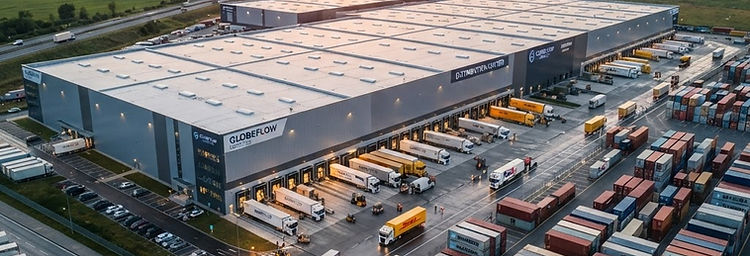
Atlanta Industrial Logistics: A Q3 2026 Market Brief
Atlanta, GA
Market Overview and Size
Metro Atlanta’s industrial sector continues to solidify its position as a premier North American logistics hub. As of Q3 2026, the total industrial inventory in the region reached 911,067,421 square feet [1]. The market is characterized by a robust, albeit bifurcated, landscape where demand for high-quality, large-block space remains strong, while smaller, older properties face increased occupancy pressure [4, 10].
Leasing Activity and Net Absorption
Occupier demand accelerated significantly in the third quarter. Total leasing activity reached 15.8 million square feet, marking the strongest quarterly performance since Q1 2022 [1, 6]. This surge was driven by new leasing rather than renewals, with major transactions including significant commitments from Nike, TikTok Logistics, and Google [2, 5]. Net absorption remained positive for the fifth consecutive quarter, totaling 1.8 million square feet [2, 5]. The I-75 corridor emerged as a primary beneficiary of this activity, with the I-75 South and North submarkets recording substantial occupancy gains [6].
Vacancy and Rental Rate Trends
Atlanta’s industrial vacancy rate stood at 9.3% at the close of Q3 2026 [1]. While this represents a slight increase due to the delivery of 4.2 million square feet of new speculative product, the market remains fundamentally healthy [1, 6]. The vacancy landscape is highly segmented; properties exceeding 500,000 square feet have seen vacancy decline to 7.4%, whereas smaller facilities under 100,000 square feet have experienced rising availability [4]. Average asking rents have shown resilience, with direct asking rates reaching a new high of $7.79 per square foot in some reports, reflecting the premium placed on modern, Class A logistics space [2, 5].
Infrastructure and Strategic Positioning
Atlanta’s dominance is underpinned by its unparalleled multi-modal infrastructure. The region serves as the primary distribution gateway for the Southeast, anchored by Hartsfield-Jackson Atlanta International Airport and an extensive network of interstate highways, including I-75, I-85, and I-20. These arteries provide seamless connectivity to the Port of Savannah and major inland intermodal terminals, facilitating efficient supply chain operations for global retailers and e-commerce giants [1, 2].
Labor and Economic Environment
Georgia continues to lead the nation in business-friendly environments, ranking first for the 13th consecutive year in Area Development’s Top States for Doing Business [2]. The region benefits from a deep pool of skilled manufacturing and logistics labor, supported by responsive state and local government initiatives that prioritize speed-to-market for industrial developers and tenants [2].
Future Outlook
The development pipeline remains active, with 17.1 million square feet currently under construction [1]. While the influx of new supply has temporarily elevated vacancy, the record-breaking leasing momentum observed in Q3 is expected to translate into sustained occupancy gains through 2027 [6]. Developers are increasingly focusing on build-to-suit projects and large-scale facilities, aligning with the requirements of modern, high-volume logistics users [2, 9].
- Partners Real Estate, Atlanta Industrial Q3 2026 Quarterly Market Report, October 2026
- Cushman & Wakefield, MarketBeat Atlanta Industrial Q3 2026, October 2026
- Lee & Associates, Atlanta Industrial Market Report Q3 2026, October 2026
- Avison Young, Atlanta Industrial 3Q 2026 Snapshot, October 2026
- JLL, Atlanta Industrial Market Dynamics Q3 2026, October 2026
Report figures are planning estimates compiled from published market data and BLS Occupational Employment and Wage Statistics; confirm current asking terms with local brokers before committing to a lease.