Industrial Market Report: Houston, TX
The full picture for warehouse space in Houston, TX: where lease rates sit against the national market, what labor costs for material handlers, and how infrastructure, vacancy, and absorption shape the outlook. Use it alongside our storage and building calculators to cost a project in Houston.
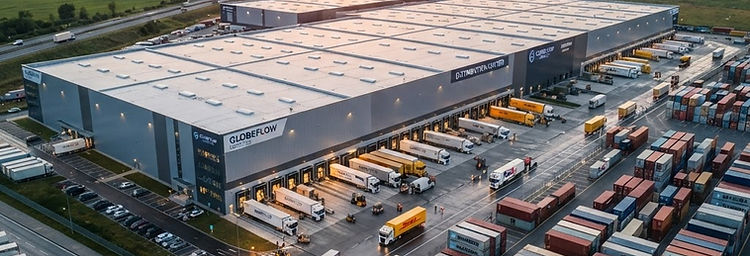
Houston Industrial Logistics: A Market at the Forefront of Global Trade
Houston, TX
Market Overview and Scale
Houston’s industrial real estate market has solidified its position as a premier global logistics hub, characterized by massive scale and robust demand. As of Q3 2026, the market encompasses over 700 million square feet of existing industrial inventory. The region has demonstrated exceptional resilience, with leasing activity surging to record levels. In Q3 2026 alone, leasing volume reached approximately 15.7 million square feet, reflecting a significant uptick in demand from manufacturing, energy, and logistics occupiers seeking modern, high-specification facilities.
Infrastructure and Strategic Positioning
Houston’s competitive advantage is anchored by its world-class multimodal infrastructure. The Port of Houston serves as the primary engine for the region, with monthly container volumes rising to between 350,000 and 400,000 TEUs by 2026. The ongoing expansion of the Houston Ship Channel, known as Project 11, provides a multiyear runway for growth, specifically attracting large-format, port-proximate industrial users. This maritime capacity is complemented by an extensive network of interstate highways, Class I rail terminals, and international air cargo facilities, creating a seamless supply chain ecosystem that connects the Gulf Coast to both domestic and international markets.
Vacancy, Absorption, and Lease Rates
The market is currently navigating a period of high supply and high demand. While new deliveries have been substantial—totaling over 14.5 million square feet year-to-date—the market has successfully absorbed this space. Net absorption reached 18.6 million square feet YTD as of Q3 2026. Overall vacancy rates have remained stable, hovering around 6.3% to 7.5% depending on the reporting methodology. Average asking rents have reached record highs, closing Q3 2026 at approximately $8.16 per square foot (psf), with premium submarkets like the Southwest commanding rates exceeding $10.00 psf.
Labor and Workforce Dynamics
Houston benefits from a deep and diverse labor pool, which remains a critical tailwind for industrial occupiers. While job growth in certain sectors has moderated, the trade, transportation, and utilities sectors remain steady. The region’s workforce demographics are supported by a growing population, which reached 8.0 million in 2026. This demographic strength ensures that logistics and distribution firms have access to the human capital necessary to scale operations, though executives are increasingly monitoring the impact of simultaneous large-scale facility expansions on local labor competition.
Major Tenants and Development Trends
Demand is heavily concentrated in Class A product, with tenants prioritizing modern specifications such as higher clear heights, increased power capacity, and advanced building systems. Notable recent activity includes Tesla’s 1.2 million square foot lease at Cedar Port Industrial Park and significant commitments from firms like Foxconn, which leased 1.4 million square feet across the Innerbelt Northwest Logistics project. Developers are increasingly focused on large-scale, build-to-suit projects, particularly in the Northwest and Southeast corridors, to accommodate the needs of global logistics and manufacturing giants.
Future Outlook
The outlook for Houston remains bullish. With the construction pipeline still elevated—though easing from previous peaks—the market is well-positioned to continue its growth trajectory. Planned infrastructure investments, particularly the continued deepening of the Ship Channel, will further enhance Houston’s status as a gateway for global trade. As occupiers continue to lock in space ahead of move-in dates, the market is expected to maintain its momentum, with a focus on high-quality, sustainable, and technologically advanced industrial assets.
- Avison Young, 3Q 2026 Industrial Houston Report
- Cushman & Wakefield, MarketBeat Houston Industrial Q3 2026
- Cresa, Houston Industrial Q3 2026 Market Report
- Newmark, 3Q 2026 Houston Texas Industrial Market Report
Report figures are planning estimates compiled from published market data and BLS Occupational Employment and Wage Statistics; confirm current asking terms with local brokers before committing to a lease.