Industrial Market Report: Miami, FL
The full picture for warehouse space in Miami, FL: where lease rates sit against the national market, what labor costs for material handlers, and how infrastructure, vacancy, and absorption shape the outlook. Use it alongside our storage and building calculators to cost a project in Miami.
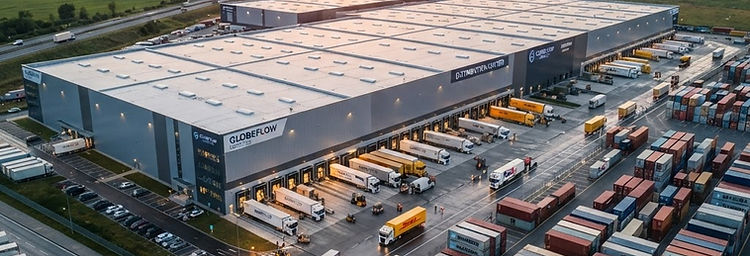
Miami Industrial Logistics Market Brief: Q3 2026
Miami, FL
Market Overview
Miami’s industrial logistics landscape remains a critical gateway for hemispheric trade, underpinned by a total inventory of approximately 285 million square feet. While the market is currently navigating a period of normalization due to increased new supply, its foundational role in connecting North America, Latin America, and the Caribbean ensures sustained long-term demand.
Vacancy, Absorption, and Lease Rates
As of Q3 2026, the Miami-Dade industrial market shows signs of rebalancing. Market vacancy rates have been reported between 5.6% and 7.8% depending on the specific methodology and inventory scope of the research firm. While vacancy has risen from the historic lows observed in 2023, it remains competitive compared to many other U.S. metros.
Net absorption has displayed positive momentum; in Q3 2026, the market recorded significant activity with net absorption reaching 1.41 million square feet. Despite this, lease rate growth has moderated as the market adjusts to the current supply-demand balance. Average asking rents currently hover around $15.16 to $17.08 per square foot (NNN), reflecting a slight softening compared to peak rates as landlords adjust to increased availability.
Key Infrastructure & Strategic Positioning
Miami’s logistics dominance is anchored by its world-class infrastructure, which facilitates seamless global trade:
- PortMiami: As Florida’s largest container port and a major hub for trade with Latin America, it generates significant economic impact.
- Miami International Airport (MIA): The #1 U.S. airport for international cargo, MIA is a critical pharma and perishable goods hub, handling roughly 85% of air imports from Latin America and the Caribbean.
- Rail & Highway Networks: Two major freight railroads, CSX and Florida East Coast (FEC), provide essential intermodal connectivity, while an extensive highway network ensures efficient regional distribution.
- Free Trade Zones (FTZs): Miami’s expansive FTZ network provides companies with duty exemptions and streamlined customs processing, reinforcing the region's appeal for multinational headquarters.
Labor Market Dynamics
Miami’s labor market remains robust, with an unemployment rate of approximately 2.5% to 2.8%—well below the national average. The region benefits from a diverse, multilingual workforce essential for international trade. While industrial-using employment sectors have seen some localized contraction in manufacturing, the trade, transportation, and utilities sectors remain vital drivers of the regional economy. Warehouse wages remain competitive, with many positions ranging from $18 to $30+ per hour depending on the role and technical requirements.
Major Developments & Future Outlook
Construction activity is tapering from previous peaks, with approximately 2.3 to 2.6 million square feet currently under construction. Significant focus is being placed on modern, efficient warehouse spaces that cater to the evolving needs of e-commerce and logistics tenants.
Looking ahead, the market is expected to remain stable. While new supply may exert temporary downward pressure on rent growth in the near term, the long-term outlook remains positive. Planned infrastructure investments continue to strengthen the region’s logistics capacity, ensuring Miami remains at the forefront of hemispheric commerce.
- Cushman & Wakefield, Miami-Dade Industrial MarketBeat, Q3 2026
- Ironmark, Q3 2026 Miami Industrial Brief, Nov 2026
- Avison Young, Miami Industrial Real Estate Market Report, Q3 2026
- Agora Real Estate Group, Miami Industrial Market Overview, Q3 2026
- Miami-Dade Beacon Council, Trade & Logistics Industry Report, 2026
Report figures are planning estimates compiled from published market data and BLS Occupational Employment and Wage Statistics; confirm current asking terms with local brokers before committing to a lease.